Beginner Hiker Tips to Get Started and Stay Safe
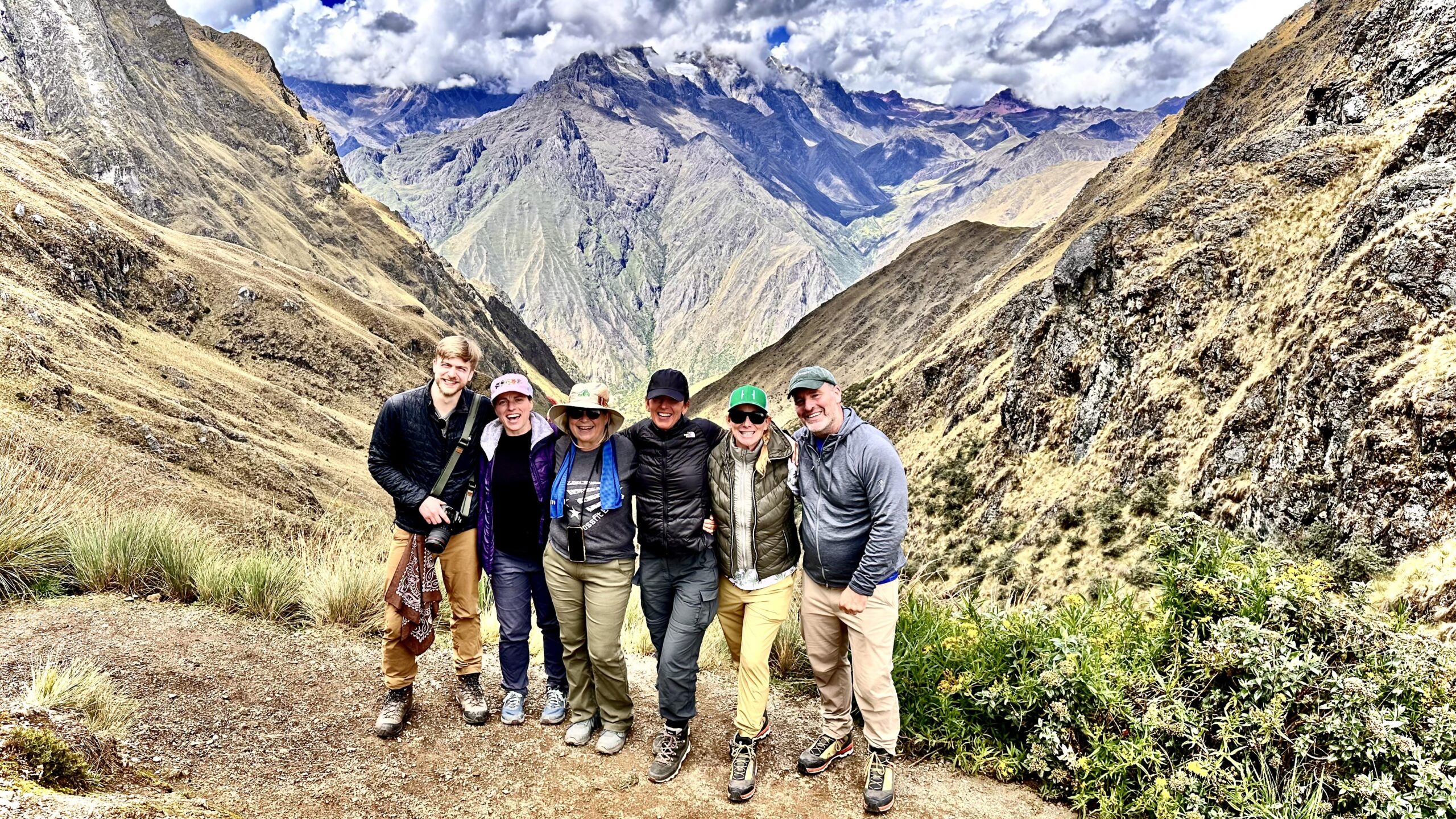
Are you unfamiliar with the outdoors, like hills? Relax, because most trekkers start with practically no trekking experience. Some trails will be relatively flat and easy, and others can be challenging. But after some years of learning, you won’t regret anything. You will feel confident climbing mountains and scrambling over cliffs.
You don’t need a background in outdoor activities to hike the Short Inca trail to Machu Picchu, because everyone can get outdoors. You also do not need an expensive kit or to be in the best form of your life. You can get started hiking regardless of your ability or starting place.
Experts hope that these beginner hiking recommendations will help you start your first trip, whether you’re unsure about where to start, what you need, or simply need some assurance.
Leave No Trace
Learn about the Leave No Trace philosophy before you begin exploring trails. Leave no trace means staying on the trail, packing out and correctly disposing of all trash, keeping your distance from wildlife, and not collecting anything that you find. In order for the next adventurer to have the same experience as you, please think about your influence and leave only footprints behind while you explore.
Start Small
Use simple local trails to begin hiking as a newbie. To find trails, trekkers recommend utilizing various apps and finding nearby trails rated easy. Work your way up to longer and more challenging terrain after becoming comfortable on the shorter ones.
Start Local
Find trails close to where you live for comfort when exploring nature. Breaking in your shoes close to home on a short hike minimizes surprises. It is better than facing them after you have flown around the country to a national park.
Bring a Buddy
Take a companion with you for safety and pleasant company during your Sacred valley and Machu Picchu tour. If they are also inexperienced at hiking, you both can easily learn together. Just remember that everyone hikes at a different pace, so offer each other patience.
Try Out Gear Before You Commit
Even if you get the best, costly, and most recommended equipment, it might not be the best fit for you. When it comes to things like backpacks, shoes, and other equipment, everyone has different tastes. Trying things out is the best move you can make. Start with affordable cost things and see which ones you like and dislike.
Over time, discover what your top priorities are. Invest in new goods one at a time as you gain knowledge. An excellent idea is to test out gear by buying old gear or renting.
Research the Trail Before You Go
For up-to-date notifications and details on trail conditions, consult the park’s website and social media accounts. This helps if you’re going to a state park, national park, or public area.
Regardless of your destination, check the latest reviews to see if there are any things you should be ready to witness. Trekking apps are invaluable resources for crowdsourcing information, images, and honest reviews. You may also use it to discover how long the hike took other individuals.
Make Sure Your Phone is Charged
In the event that your mobile device dies, carry a spare battery and cord when starting your 2 day sacred valley tour and Machu Picchu. If you don’t have a paper map, a mobile phone with internet is especially crucial.
Bring the Essentials
The ten necessities are 10 items you should bring for safety and survival for a hike. Carry a kit for first aid, a light source, sunscreen cream, navigation gadgets, extra food, extra water, layers for weather protection, equipment to make fire, tents for shelter, and knives.
Final Thoughts
Finally, experts hope this guide for novice hikers gives you the confidence to begin. Trekkers advise that the hardest part of anything is getting started.
Lastly, choose Guiding Machu Picchu and step into an authentic experience led by passionate local guides who share deep knowledge and heartfelt stories of the Andes and Inca culture.
Book with Guiding Machu Picchu for superior camping gear, delicious tailored meals, and a commitment to sustainable tourism that respects the extraordinary environment and local communities.


